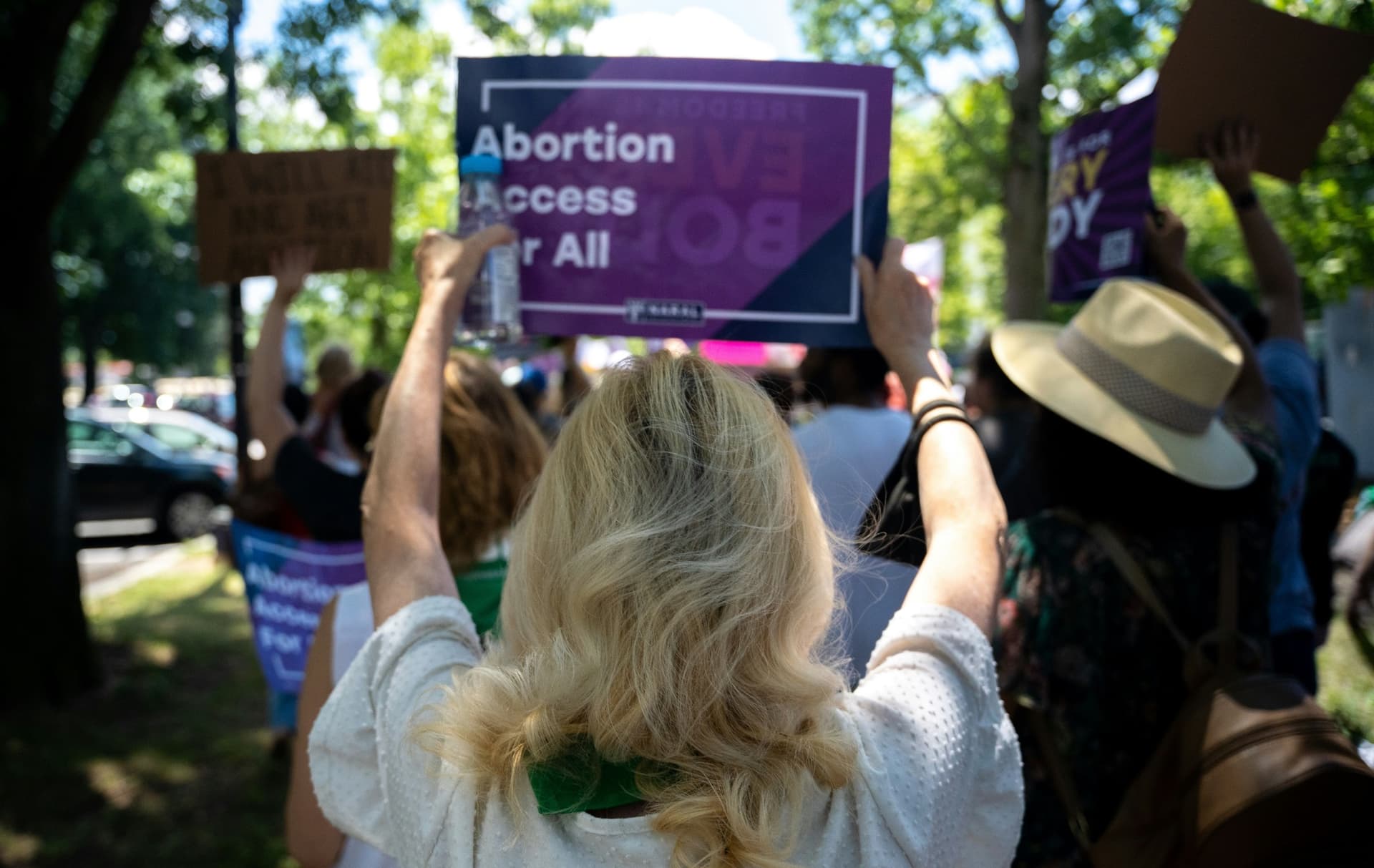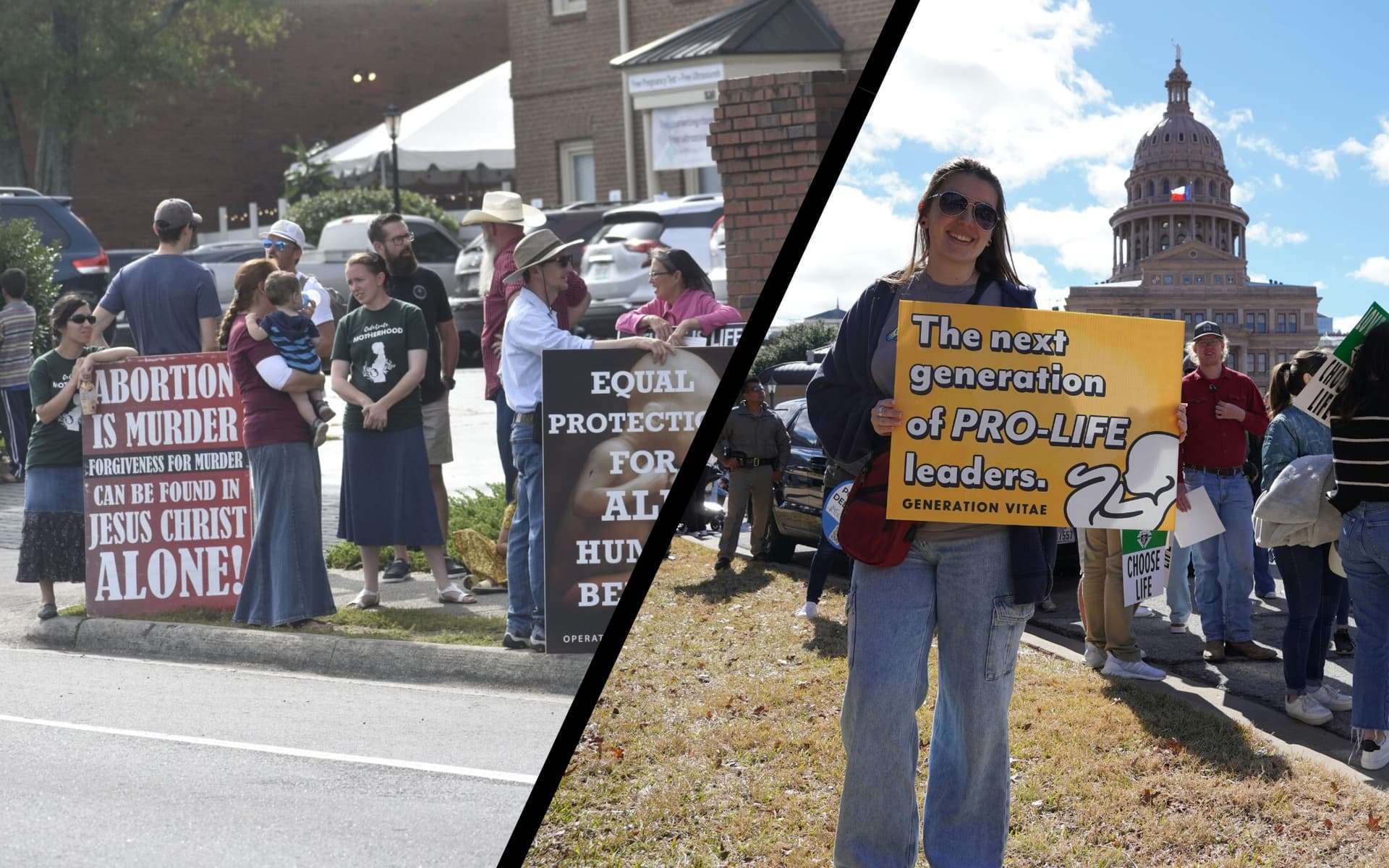
The Pro-Life Movement and the movement to abolish abortion sound like synonyms. After all, don't pro-lifers want abortion abolished? Many individuals within the PLM absolutely do, but this is actually opposed by the leaders and stated purposes of every pro-life organization. As a result, the two movements produce very different legislative strategies, sermons, and church cultures.
First, let's look at the openly stated strategy of the Pro-Life Movement in Michigan. Nowhere on their stated legislative priorities do they mention that they want to pass a law banning abortions; they only mention protecting parental rights, making abortion providers report certain complications, and making it easier to have a baby. A deeper look at current legislation they support and oppose confirms this. Their stated strategy, and the strategy of other pro-life organizations like them, is entirely composed of incremental restrictions like the above, as well as waiting periods, ultrasound bills, and defunding Planned Parenthood. They see abortion as a policy problem: how can they get policies that chip away at abortion passed? What results are policies that compromise with pro-choice views, or chip away at abortion from another angle like by eliminating funding instead of going for ending abortion itself directly as a legal strategy.
In contrast, let's look at what 'abolition' means in practice. Abolish Abortion Michigan and other organizations like us believe in the total and immediate abolition of abortion by law to the glory of God, without exception or compromise. Our strategy and legal priority is to apply homicide law equally to all human beings (made in the image of God) from the moment of fertilization. This makes logical sense, as human rights should apply to all humans equally, and also Biblical sense, as the general Biblical stance is to establish equal justice for all (Leviticus 19:15). A law that allows some to be murdered but not others based on anything other than bearing God's image, like having a heartbeat or being viable, is not equal justice. Thus, compromise is not equal justice. Additionally, a law that acquits the guilty, which is anyone committing an abortion, is not a just law according to God's Word (Exodus 23:7).
These different strategies result in different proposed legislation. A pro-life bill always regulates abortion, never criminalizes every responsible party (in fact writes in exceptions for mothers who get abortions so they are not prosecuted), and treats the pre-born as a different class of people as they have different legal protections under pro-life bills. Thus, they acquit the guilty and do not establish equal justice for all. An abolitionist bill does not regulate abortion; it completely outlaws it, granting the equal protection and equal rights to the unborn that apply to every other human individual. The PLM acknowledges this difference in their actions; condemning abolitionist bills and making sure they don't pass as they did in Louisiana in 2022.
These strategic differences stem from theological differences. The PLM has a utilitarian-adjacent ethical view; a harm reduction principle. They will support whatever causes the least harm. Thus, they will compromise in order to prevent harm from happening as much as they can in the moment. This sounds like a decent ethical framework, but it is not Biblical. The abolitionist movement is based in the Biblical theology that all human beings are created in the image of God (Genesis 1:27), and that image bearers have an equal right to not be murdered under the sixth commandment, and under the command that "whoever sheds the blood of man, by man his blood shall be shed" (Genesis 9:6). If this is the case, any law not protecting this right is an unjust law. So, while flawed human logic may suggest that the pro-life strategy seems reasonable (as this logic is where they derive their strategy from), if you are looking for a stance that is Biblically derived as the Bible is the only infallible source for truth, abolition is the way to go.
Theological differences also tend to result in different actions done by churches adhering to those theologies. Many pro-life churches in Michigan are unaware of and therefore often apathetic on the issue of abortion. They may know it's wrong, but not do too much about it. Of course, this is a generalization, but it is one that is somewhat revealing. Abolitionist churches, on the other hand, have a very different culture; one that puts gospel ministry to the culture of death highly among their priorities for community outreach. Members often go to abortion mills or street corners to preach the gospel to those who have committed or are about to commit an abortion. What church culture would be more likely to impact Michigan hearts and policies? We, of course, believe the abolitionist church culture is more active and productive in leading people to Christ and away from the sin of abortion.
Learn more about these differences on our website.
Pro-life leaders often say that one reason to not support abolition is a practical one: citizens would never support an abolitionist bill, especially in a politically divided state like Michigan. Sadly, Michigan citizens supported and passed Prop 3, which ended many of the already compromised pro-life regulations. Michigan voters already answered the question of whether they wanted to regulate abortion, and the answer was a resounding no. However, this vote did not address the question of equal protection for all human beings made in the image of God. That's what abolition is for.
Knowing the differences between the movements is a good place to start if your goal is to support the right things when it comes to the abortion issue, and we encourage you to do that. However, it does not end with just knowledge. Unapplied knowledge is a waste, and we are to use whatever God has given us to the best of our abilities! So, sign our petition. Talk to your pastor about abolition and adopting an abolitionist resolution (and contacting us so we can give your church resources to join the fight against abortion). Check out your city on our website so you can see what legislators to contact and what groups you can work with. Together, we can abolish abortion to the glory of God!